
If you own a home or business with asphalt shingle roofing, winter winds in North Texas can threaten the integrity of your roof. Even gusts short of severe thunderstorms can work their way beneath shingles and cause the edges to lift, making your roof vulnerable to leaks and water damage. Understanding the signs of wind-lifted shingles and how to prevent seasonal leaks is essential to maintaining the long-term value and safety of your property.
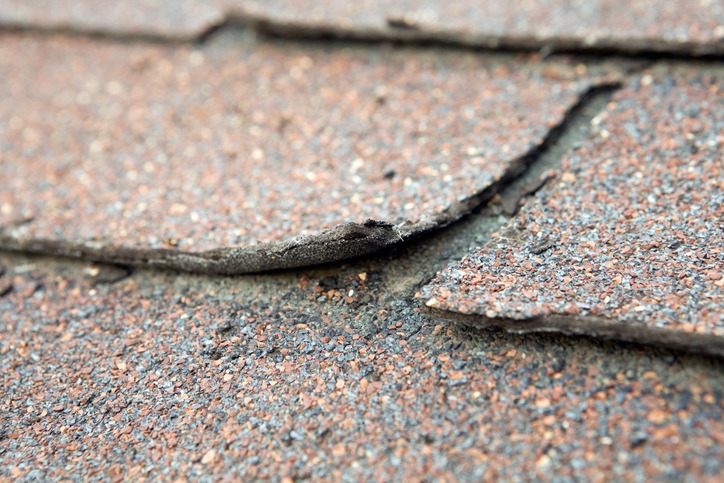
What Are Wind-Lifted Shingle Edges?
Wind-lifted shingle edges occur when strong gusts, particularly frequent during Texas winters, push up the lower edges of shingles. This can break the adhesive seal, leaving the underside exposed to rain and future wind events. Over time, repeatedly lifted shingles lose their watertight seal. As a result, even minor winter storms can drive water under the shingles and into your roof deck, leading to leaks, rot, and additional structural problems if left unchecked.
Inspection Clues: How to Spot Wind-Lifted Shingles
Early detection of wind damage is key to minimizing repair costs and avoiding costly interior water damage. When walking your property after a wind event, keep a close watch for the most telling signs:
-
Shingles that appear uneven or “flapping” at the edges.
-
Granule loss around lifted sections, revealing black substrate.
-
Exposed nail heads near lifted edges.
-
Small gaps or shadows between rows that were previously snug to the roof.
If you spot shingle edges that are raised, curled, or missing, there’s a risk that your roofing system may be compromised. Homeowners should avoid climbing onto icy or wet roofs and instead use binoculars from the ground or inspect from upper-story windows.
Reducing the Risk of Winter Leaks
Preventing leaks in the colder months means proactively addressing even minor wind-lifted shingles before they develop into more serious issues. Action steps you can take include:
-
Scheduling a professional inspection by a roofing contractor before peak winter storms occur.
-
Requesting prompt repair or replacement of loose, cracked, or missing shingles.
-
Checking attic spaces for signs of water intrusion like damp insulation or staining on rafters.
-
Ensuring roof ventilation and insulation are adequate to reduce ice damming along eaves.
Professional roofing and storm damage repair services can perform thorough inspections and targeted repairs that may not be evident from the ground. In Midlothian and the surrounding region, experienced contractors like Titan Contractors can identify, re-seal, or replace wind-lifted shingles with materials and methods designed to handle local wind loads.
When to Call for Help: Important Questions to Ask Your Roofing Professional
Not every lifted shingle signals a full roof replacement, but failure to act quickly risks further leaks. When choosing a contractor, consider questions such as:
-
Are you GAF Master Elite certified or manufacturer certified for asphalt shingle repair?
-
Will you document areas of damage with detailed photographs?
-
Are you familiar with North Texas wind and climate conditions?
-
What warranty do your repairs carry against future wind or water damage?
Choosing a contractor familiar with local building codes, insurance claim processes, and proven wind-resistant materials will give you additional peace of mind throughout the winter.
Get Proactive About Shingle Repairs in Midlothian, TX
Before unpredictable winter weather impacts your home or business, reach out to Titan Contractors of Midlothian, TX, to schedule a seasonal inspection or discuss your roofing concerns. Protect your investment with our qualified team’s proven experience and solutions for wind-lifted shingles, roof repair, and ongoing maintenance. Call (817) 473-7663 or fill out our online form to request an inspection and get ahead of winter leaks now.