Relentless Texas summers in the Dallas-Fort Worth (DFW) area regularly bring triple-digit heat and unyielding sun, which can quietly take a heavy toll on your home’s roof. After months of scorching temperatures and intense UV exposure, the risks of heat-related roof damage increase significantly. Understanding how heat affects your roof and what to look for as summer winds down will help protect your home before unpredictable fall storms move in.
How Summer Heat and Sun Damage Your Roof
During a typical DFW summer, asphalt shingles can reach surface temperatures well above the air temperature, sometimes exceeding 160 degrees. This prolonged exposure to extreme heat and UV rays leads to:
-
Cracked or curling shingles: The thermal expansion and contraction cycle causes shingles to warp, crack, or even lose their granule surface.
-
Dry, brittle sealants: Roof sealants that once kept out moisture can dry out and shrink, resulting in gaps or leaks.
-
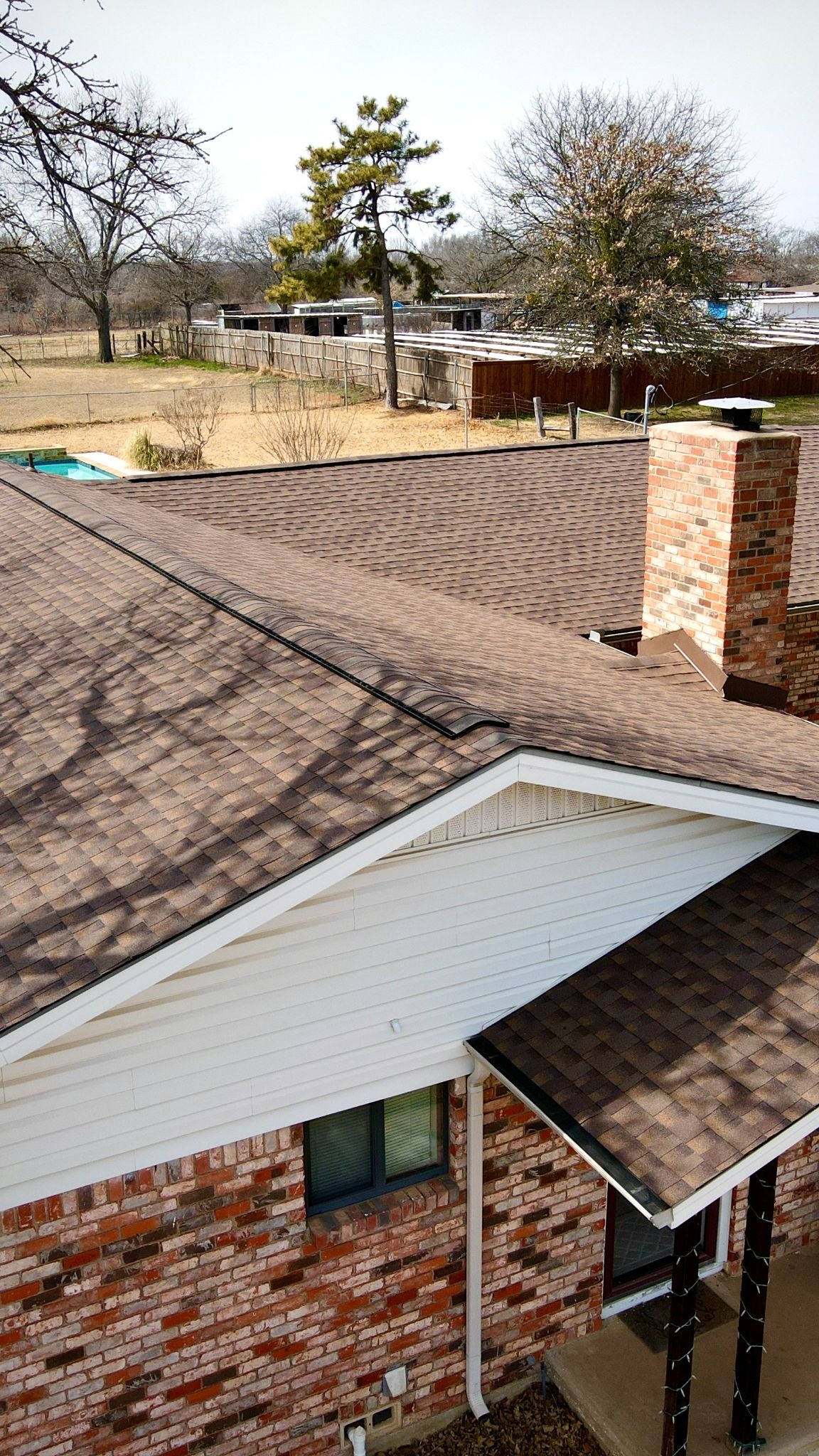
Stressed flashing and vents: The metal components that direct water away from seams can expand, contract, and lose their seal, especially around chimneys, skylights, and valleys.
Post-summer, these types of damage can be subtle but leave your roof especially vulnerable when cooler, wetter weather arrives.
Warning Signs of Heat Damage on Your Roof
In early fall, walking your property and visually inspecting your roof can reveal important indicators of heat stress, such as:
-
Shingles with curled or lifted edges.
-
Areas where roof granules have accumulated in gutters or around downspouts, leaving shingles patchy or bald.
-
Noticeable cracking or splitting in the caulking or sealant around roof penetrations.
-
Dented, lifted, or rusted metal flashing.
-
Discolored or faded shingle surfaces that signal long-term UV exposure.
These signs often go unnoticed without a careful check after the hottest months. If any of these issues are present, timely repairs are crucial to avoid further deterioration.
Why an Early Fall Inspection Is Essential
Delaying roof inspection until damage becomes visible inside the house, such as water stains or leaks, can lead to costly structural repairs. Scheduling a professional roof inspection just after summer allows you to catch minor issues before they develop into significant problems.
The early fall period is ideal because:
-
Mold and rot develop quickly in damp fall weather if summer cracks go unrepaired.
-
Wind-driven autumn storms can exploit even minor vulnerabilities in shingles or flashing.
-
Some shingle and sealant manufacturers require periodic professional inspections to keep warranties valid.
Having an expert assess your roof at the turn of the season is the surest way to extend its lifespan and minimize emergency repairs.
Which Roofing Repairs to Prioritize Before Fall Rains
Not all heat-related damage is equally urgent. Repairs that should be prioritized before fall include:
-
Replacing cracked, missing, or severely curled shingles to restore full coverage.
-
Resealing areas where caulking has dried out or failed, especially around vent pipes and skylights.
-
Repairing or replacing damaged flashing to ensure all seams, joints, and valleys are watertight.
-
Cleaning and correcting gutters clogged by shingle granules, ensuring drainage systems perform when autumn rain arrives.
Prompt attention to these issues significantly reduces the risk of leaks and costly water damage once the seasonal rains begin.
Schedule Your Fall Roof Inspection with Titan Contractors
If you live in Midlothian, TX or anywhere in the surrounding area, the best protection against Texas weather starts with a comprehensive seasonal inspection from local specialists. Titan Contractors offers full roof repair and storm damage restoration services. Schedule a free fall roof inspection today by calling 817-473-7663 or filling out the online form. Protect your home and enjoy peace of mind this autumn.